Bedding · Sleep comfort
A Practical Guide to Choosing a Mattress Topper
A topper can soften a too-firm bed, add a little cushioning to a well-used mattress, or change how warm the sleep surface feels. The best choice is not necessarily the thickest or most luxurious one. It is the layer that addresses a specific comfort problem, suits your body and habits, and can be cared for without becoming a chore.
Published November 5, 2026
A mattress topper sits between the mattress and the fitted sheet, close enough to reshape the bed’s first impression but not powerful enough to repair every underlying problem. It can change the surface feel, add modest pressure relief, and—in some materials—alter how heat and moisture are managed. It cannot reliably correct a sagging mattress, replace sound support, or make an unsuitable bed right for every sleeper.
That distinction is the useful starting point. Before comparing materials, thicknesses, prices, or marketing language, name what you want to change. Does the mattress feel uncomfortably firm at the shoulders and hips? Is its surface worn but still supportive? Do you wake too warm? Or are you simply hoping for a different feel without replacing the whole bed? A clear answer turns a crowded category into a practical decision.
Begin with the problem, not the product
A topper is a comfort layer, not a structural fix. If a mattress has a deep dip, broken components, or uneven support, adding material on top may disguise the issue briefly while allowing it to persist. A topper follows the contours beneath it; it does not level them. Check the mattress itself before spending money on an additional layer.
If the mattress remains even and supportive but feels too firm, a topper with more cushioning may soften the contact surface. If it is broadly comfortable but lacks a little plushness, a thinner layer may be enough. If heat is the complaint, look beyond claims of “cooling” and consider the topper’s material, construction, cover, and how it interacts with the sheets and comforter already on the bed.
- Too firm: Consider a responsive or cushioned material that can soften the surface without allowing excessive sink.
- Not enough pressure relief: Look for a layer that distributes contact more comfortably at the shoulders, hips, or other pressure-sensitive areas.
- Too warm: Review the whole bedding system, including mattress, topper, sheet, and insulating layers. Breathability is a property of the combination, not just one component.
- Uneven or sagging mattress: Assess whether the mattress needs repair or replacement. A topper is not a dependable solution for failed support.
- Uncertain preference: Choose according to the most persistent discomfort and check return, trial, and care terms before ordering.
How material changes the feel
Material is the most visible distinction between mattress toppers, but labels alone do not tell the whole story. The same broad material category can feel different depending on density, thickness, quilting, cover fabric, and construction. Whenever possible, compare product specifications and return policies, and treat vague promises as a reason to ask for more detail.
Memory foam
Memory foam is designed to yield under pressure and respond to the body’s shape. That close contour can make a firm mattress feel more cushioned and may help distribute pressure across a wider area. Some sleepers enjoy the settled, enveloping sensation; others prefer a surface that responds more quickly when they change position. Foam formulations vary, so terms such as density and the manufacturer’s description of firmness can be more useful than the material name alone.
Heat is worth considering. Some foam toppers may retain warmth, particularly for people who already sleep hot or use insulating bedding. Manufacturers may describe ventilation, open-cell structures, or cooling treatments, but those claims do not guarantee an individual result. If temperature is a primary concern, look for specific construction details and consider the room, mattress, and bedding layers as a system.
Latex
Latex toppers are often chosen for a springier, more responsive feel than traditional memory foam. They can provide cushioning while allowing easier movement across the surface. Their firmness, weight, and feel differ by formulation and construction, so specifications matter. People with latex sensitivities should check product materials carefully and seek appropriate guidance when needed.
Down and down alternatives
Down and down-alternative layers tend to offer a soft, cushioned surface rather than the more pronounced contouring of foam. They can create a plush first impression, though their loft may compress with use and they may not provide the same degree of pressure redistribution as a denser foam layer. Check whether the fill is evenly held in place, what maintenance it requires, and whether the product can be washed or must be professionally cleaned.
Wool and natural fibers
Wool and other natural-fiber options appeal to shoppers seeking a different balance of cushioning, breathability, and material character. Their feel depends on fiber, fill amount, quilting, and cover. Natural does not automatically mean cooler, easier to clean, or better suited to every sleeper. Read the care instructions and confirm what the product actually contains, including any blends or backing materials.
Silk and the limits of comparison
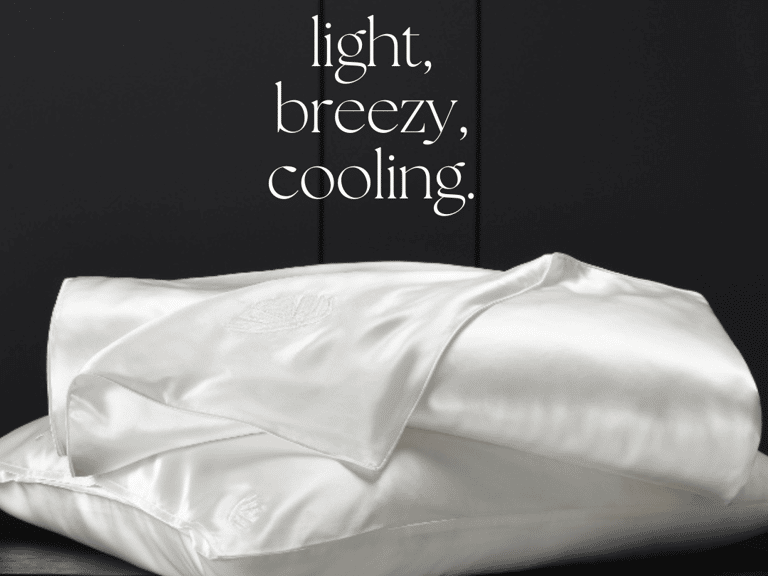
Silk is valued in bedding for its smooth hand and light, fluid character, but a silk comforter or silk-filled comforter is not the same thing as a mattress topper. A comforter provides warmth above the body; a topper changes the surface beneath it. These layers have different purposes and should not be treated as interchangeable when comparing sleep comfort. In a complete bed, the duvet or comforter, sheets, and mattress layer each contribute to warmth and feel in their own way.
Thickness and loft: how much change is enough?
Thickness describes how much material sits between you and the mattress, but it is not a simple measure of comfort or quality. A thinner topper may make a modest adjustment, while a thicker one can create a more noticeable change. Yet the material’s firmness and responsiveness matter just as much. A dense, supportive layer may feel more substantial than a softer layer of the same height.
Start with the smallest change likely to solve the problem. A dramatic layer may feel inviting during a brief test but make movement harder or the bed feel less stable. It can also affect how well fitted sheets stay on, especially if the mattress is already deep or the topper shifts. When product details are available, compare thickness with material and firmness rather than treating height as a stand-alone score.
Think of loft as part of a balance. The topper should add enough cushioning to improve comfort while preserving the support and ease of movement you need. People who change positions often may prefer a responsive surface. Those who want more contouring may welcome a softer feel, provided it does not create an uncomfortable sensation of sinking.
Match the choice to your sleeping position
Sleeping position can help narrow the field, but it should not dictate a single answer. Body shape, mattress firmness, personal comfort, and movement all matter. Use position as a guide to where pressure tends to build and what kind of surface response may feel comfortable.
- Side sleepers may appreciate extra cushioning at the shoulders and hips, especially if the underlying mattress feels hard at those points. A highly firm or thin layer may not change that sensation enough.
- Back sleepers often look for a middle ground: enough softness to ease contact, without a surface that feels excessively plush or allows an uncomfortable dip.
- Stomach sleepers may prefer a less yielding surface, since too much sink can feel awkward. A thick, soft topper is not automatically the right answer simply because more cushioning sounds appealing.
- Combination sleepers should consider how easily they can turn and reposition. A topper that feels comfortable in one position may be less convenient if it slows movement or feels too enveloping.
These are starting points rather than rules. Comfort is individual, and sleep position can change during the night. If a current mattress already supports you well, do not add a thick layer just because it is marketed for a particular position.
Temperature regulation is a bedding-system question
Warmth during sleep rarely has one cause. A topper may contribute, but so can the mattress, room temperature, sheet fabric, pajamas, duvet, and personal preference. A breathable surface cannot cancel out every other source of insulation, and a product described as cooling should not be assumed to actively control body temperature.
If you wake hot, take inventory before choosing a new layer. Consider whether the mattress holds warmth, whether the comforter is heavier than the season requires, and whether the sheets feel breathable to you. A lighter bedding combination may help more than adding a dense topper. If cushioning is essential, compare materials and construction that are described with verifiable details rather than relying on cooling language alone.
Moisture management and airflow can also affect perceived comfort. Fibers and fabrics behave differently, but there is no universal material that feels cool to everyone in every room. The practical test is whether the combination of layers suits your sleep habits and local climate—and whether you can adjust it as conditions change.
Check fit, movement, and stability
A topper that slides, bunches, or extends beyond the mattress can undermine its comfort benefits. Confirm the mattress length and width, then check the topper’s stated dimensions. Mattress depth matters too: adding a topper can make a fitted sheet harder to secure, especially when the existing sheet has a shallow pocket.
Look for the details of attachment and construction. Some products rely on weight and friction to stay put; others may have straps, elasticated corners, or a grippy backing. Quilting or internal construction can help keep fill distributed, but details differ by product. A washable cover may offer a practical barrier between the topper and routine spills, provided it is designed to be removed and cleaned.
Think about the bed as a complete set of layers. The mattress supports the body, the topper adjusts its surface, the fitted sheet covers the sleep area, and the duvet or comforter adds warmth above. A change in one layer may affect the fit or feel of another. Before ordering, check that the topper works with the mattress dimensions, sheet pocket depth, and your preferred bedding arrangement.
Care requirements are part of the decision
The best topper on paper can become inconvenient if its maintenance does not fit your routine. Some products have removable covers; others require spot cleaning or professional care. A topper may be too bulky for a household washing machine even if its cover is washable. Read the care label before purchase, and follow the instructions supplied with the product rather than assuming that all materials tolerate the same treatment.
A breathable mattress protector can help limit everyday exposure to spills, perspiration, and dust, but confirm that it is compatible with the topper and does not create a surface feel you dislike. Regularly airing bedding, following cleaning guidance, and allowing materials to dry completely can support a more practical care routine. Avoid aggressive washing or heat unless the manufacturer specifically permits it.
Durability is also difficult to judge from a single headline feature. Ask what the warranty covers, whether it includes sagging or defects, and what conditions could void it. A warranty does not guarantee that a product will preserve its original feel indefinitely, but its terms can clarify the maker’s stated expectations. Keep purchase information and care instructions for reference.
A measured approach to materials and claims
Bedding descriptions often use confident language: restorative, cooling, pressure-relieving, hypoallergenic. Such words can be useful prompts, but they should not replace concrete information. Look for material composition, dimensions, thickness, construction, cleaning requirements, and any relevant certifications. If a claim is important to your decision, check what it means and whether the product’s documentation supports it.
Claims about health deserve particular care. A topper may change comfort and surface feel, but it is not a medical treatment. If persistent pain, numbness, breathing problems, or significant sleep disruption is involved, consult a qualified health professional rather than relying on a bedding purchase to resolve the issue.
Price should be considered alongside the expected use, materials, construction, and service terms. A higher price does not by itself establish greater comfort or longevity. Conversely, an inexpensive product may not be the best value if it cannot be cleaned appropriately, does not fit the mattress, or fails to address the actual problem. Compare the full specifications instead of relying on one label.
A simple way to compare options
When several mattress toppers appear suitable, use the same questions for each one. That makes it easier to compare meaningful differences and avoid getting lost in product language.
- What problem should it solve? Name the main issue—firmness, pressure, surface wear, or temperature—before browsing.
- What is it made of? Confirm the fill, cover, and any blends or backing materials.
- How will it feel? Compare thickness, firmness, contouring, and responsiveness, not just the material category.
- Does it fit? Check mattress dimensions, depth, topper measurements, and fitted-sheet pocket depth.
- How does it stay in place? Look for attachment features or construction details that help limit shifting.
- How is it cleaned? Read the care instructions and decide whether they are realistic for your household.
- What happens if it is not right? Review trial, return, delivery, and warranty terms before committing.
Common mistakes to avoid
- Buying more thickness than you need. A taller layer can make a pronounced change, but not necessarily a better one.
- Expecting a topper to fix a failing mattress. It can change the surface, not restore lost support underneath.
- Choosing by material name alone. Construction, cover, firmness, and care requirements all influence the experience.
- Ignoring heat and existing bedding. The mattress, sheets, topper, and comforter work together to shape warmth.
- Overlooking dimensions. A poor fit can cause shifting and make sheet changes difficult.
- Skipping the care label. Cleaning instructions are part of ownership, not a detail to discover after delivery.
The decision, in brief
Choosing a mattress topper is less about finding the most impressive specification than identifying the change your bed actually needs. Start with the mattress condition and your main discomfort. Then compare materials for feel and temperature, choose a thickness that makes a measured adjustment, and confirm fit, stability, and care requirements.
A good topper should work quietly in the background: cushioning where needed, preserving the support you value, and fitting naturally into the rest of your bedding. It is one layer in a larger sleep environment, not a shortcut around every problem. With realistic expectations and careful comparison, it can be a practical way to make a sound mattress feel more suited to the person sleeping on it.