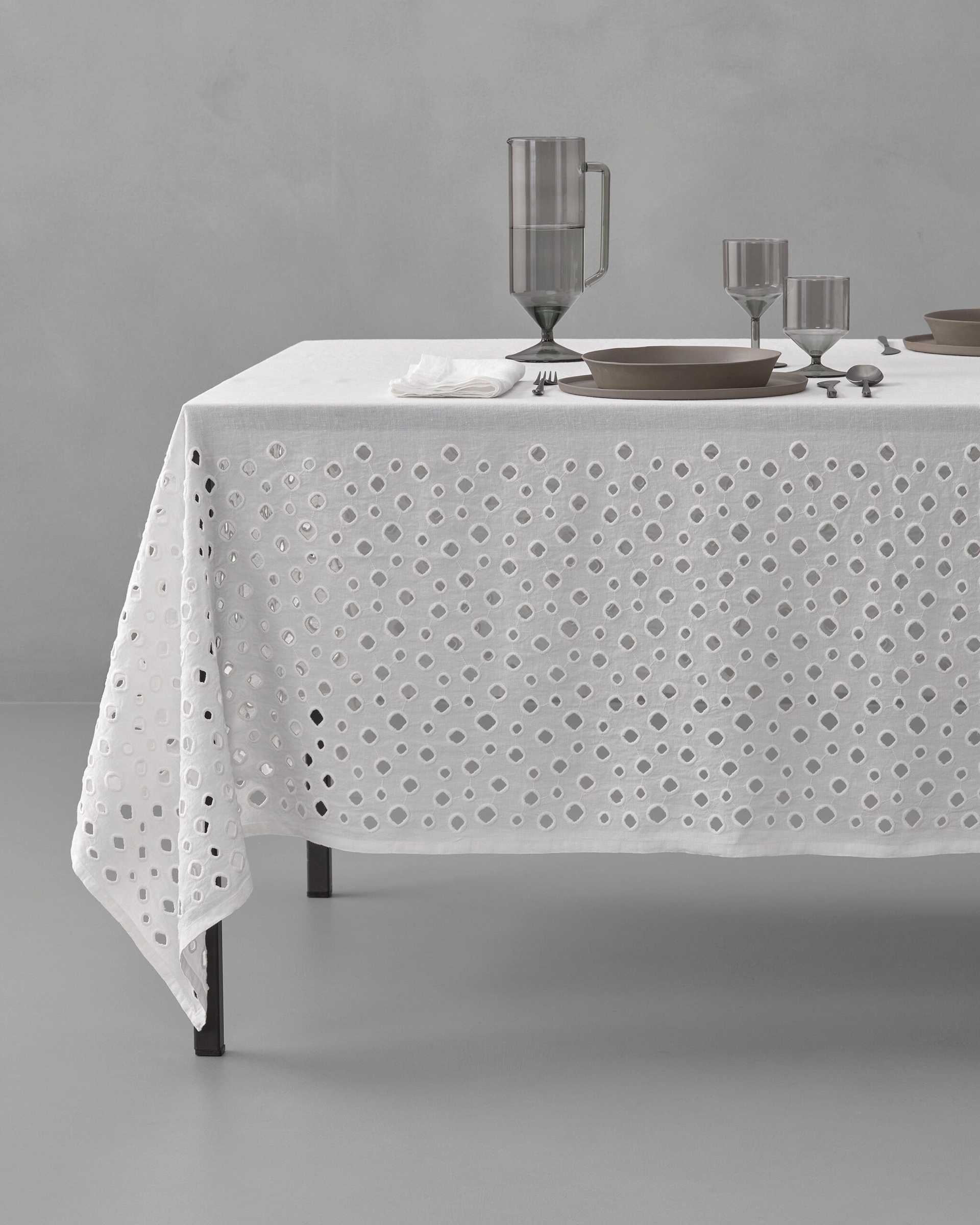
Tablecloths serve both protective and decorative roles in dining spaces, shielding tabletops from scratches, spills, and heat while enhancing ambiance. The category emphasizes materials, weave, and finish, guiding selections for durability, aesthetic fit, and ease of care. Understanding fabric weight, weave type, and edge finish helps users match tablecloths to table dimensions and usage contexts such as formal dining or everyday meals.
Key features to consider include fabric composition, stain resistance, and care requirements. Linen and cotton blends offer breathability and a natural drape, while synthetic fibers can provide wrinkle resistance and longevity in high-use settings. Finishes like brushed textures or satin weaves contribute to visual appeal while maintaining practical performance in daily dining scenarios.
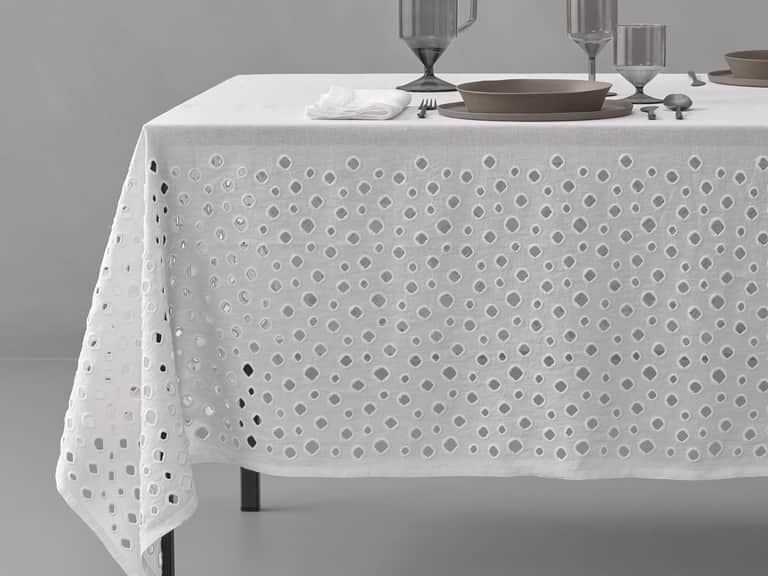
In this category, two notable products provide practical insights: Ols Table Cloth and Ols Table Cloth (Include product names, features, and functional benefits). The Ols Table Cloth may emphasize a generous weave for durability, a smooth drape for elegant profiles, and easy-care maintenance. The Ols Table Cloth variant highlights extended protection, resistance to staining, and compatibility with various tabletop shapes.
For usability, consider size compatibility with standard tables, quilting edge details for even hang and a finished hem to prevent fraying. Functional benefits include spill containment, heat resistance from table surface contact, and the potential for coordinated settings with bedding and toppers that share a cohesive color story across room textiles like sheets and pillows.
Meta keywords such as bedding, comforters, pillows, toppers, and sheets reflect the broader textile ecosystem associated with home textiles. While tablecloths are distinct in function, integrating color palettes and material choices with related items supports consistency in interior design, durability in daily use, and ease of routine care across multiple textile categories.
 Table
Table