Silk has long been valued for its natural sheen, smooth hand, and breathable fibers that regulate temperature. In this category, silk fabrics and related bedding components are explored for their intrinsic properties, including hypoallergenic benefits, moisture management, and gentle tactile feel. Understanding silk’s structure helps explain why it is favored for bedding, pillows, and toppers.
Key characteristics of silk bedding include a strong protein-based fiber with a low propensity for pilling and a natural resistance to dust mites. Silk fibers can retain color depth while remaining cool to the touch, making them suitable for varied climates and seasonal transitions. This material also contributes to a low-friction surface that supports delicate skin and hair.
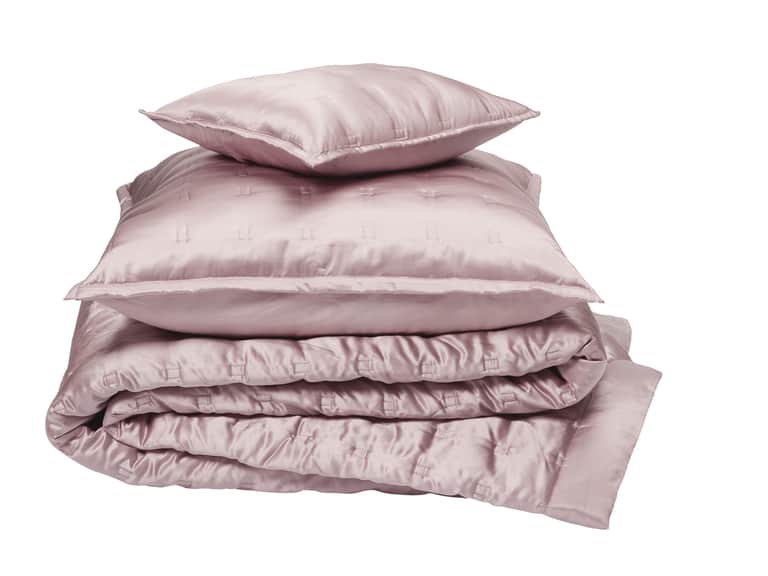
Among silk-based products, cushions and decorative accents often highlight weaving techniques and thread counts that influence durability and texture. The Windsor Silk Cushion - Vintage Pink exemplifies how color, finish, and fiber quality interact to create a refined sensory experience. Functional benefits include improved seating comfort and a luxuriously soft surface for daily use.
When evaluating silk bedding components such as sheets, toppers, and pillows, attention to weave, weight, and fiber content is essential. A higher thread count in silk blends can enhance sheen and smoothness, while appropriate thickness supports body alignment and pressure distribution during rest. Understanding these factors informs optimal comfort and longevity.
Overall, silk bedding and related accessories merge aesthetic elegance with practical performance. By examining material properties, care considerations, and product construction, consumers can select items that align with comfort preferences, skin sensitivity needs, and climate considerations, ensuring a balanced and restful sleep environment. Keywords include bedding, comforters, pillows, toppers, and sheets to reflect the category’s breadth.
 Bedding