Oxford Silk: A History of Craft, Curiosity, and Cloth
A close look at a domain that invites scholars, designers, and enthusiasts to explore the threads that connect Oxford’s storied academic culture with the timeless luxury of silk. From the loom to the library, from trade routes to teaching halls, Oxford Silk stands at the intersection of history, craft, and curated knowledge.
Founding Idea: What the Name Signals
The domain OxfordSilk suggests more than a product line or a single boutique; it conjures a layered image: Oxford as a place of learning, debate, and archival quiet; silk as a material of luxury, technique, and global exchange. The combination implies a resource—an archive or guide—that treats silk not merely as fabric but as a record of human enterprise: sericulture, trade routes, design movements, and scholarly inquiry. In a Time-style frame, the best domains become a bridge between two worlds: the rigor of scholarship and the tactile richness of cloth.
With textile history as the primary north star, Oxford Silk can anchor essays, timelines, and glossaries that illuminate how silk traveled from China and across the Silk Road to the courts of Europe, and how Oxford’s universities and libraries have preserved, interpreted, and taught these materials over centuries.
Three Visionary Directions for the Site
- Textile History and Silk Resource — An educational, scholarly hub with long-form essays, timelines, glossaries, and curated references about silk history, textile technology, and the global silk trade, with occasional ties to Oxford’s academic resources.
- Oxford-Influenced Fashion and Textile Culture Archive — A cultural, curatorial project that presents silk in fashion, design, and culture, anchored in Oxford’s spirit and British fashion history, featuring curator notes, photo essays, and expert interviews.
- General Information Portal about Silk — A broad, accessible knowledge hub for educators, students, and hobbyists, covering silk production, care, sustainability, and science, with beginner guides and practical tips.
Why Option A: The Rationale for a Textile History Focus
Option A gives the strongest alignment between the domain’s name and its most credible, durable audience. It positions Oxford Silk as an authoritative, non-commercial resource—an essential quality for museums, libraries, educators, and researchers who seek reliable information, bibliographies, and carefully sourced narratives. It also opens doors to partnerships with academic institutions, libraries, and archives—spaces where scholarship thrives on precise citations, peer review, and public accessibility.
This direction invites a steady cadence of long-form pieces: the evolution of silk weaving techniques, how dye chemistry affected textile aesthetics across centuries, and the globalization of silk production from East to West. The editorial tone would emulate the measured, insightful cadence of Time—the sense of moving through time and understanding how past choices shape present craft and knowledge.
Starter Content: A Plan for the First Month
To establish authority and sustain reader interest, a concise, high-quality content plan is essential. Here are six to eight initial articles designed to build a credible archive and attract a diverse readership:
- A Brief History of Silk: From Sericulture to Silk Road — An accessible yet rigorous overview tracing silkworm cultivation, early fiber processing, and the networks that carried silk from China to Europe.
- Key Silk Production Techniques Through the Ages — A survey of reeling, twisting, filament weaving, and finishing practices, with cross-cultural notes on regional variations.
- Oxford and Textile History: A Brief Overview — A contextual essay linking Oxford’s scholarly ecosystem to textile studies and archives in the region.
- Glossary of Silk and Textile Terms — A compact, rigorously defined glossary that supports readers across knowledge levels.
- Timelines: Major Milestones in Silk Trade — A visual, annotated timeline highlighting pivotal moments in silk’s global journey.
- Image Gallery: Historical Silk Textiles — A carefully curated collection (with rights notes) that illustrates textile history and design evolution.
- Educational Resources for Teachers and Students — Lesson plans, discussion questions, and activity ideas to foster classroom inquiry.
- Source Notes and Citations — An evolving bibliographic resource that demonstrates best practices in scholarly attribution.
A Featured Piece: The Kinsale Oxford Bed Skirt
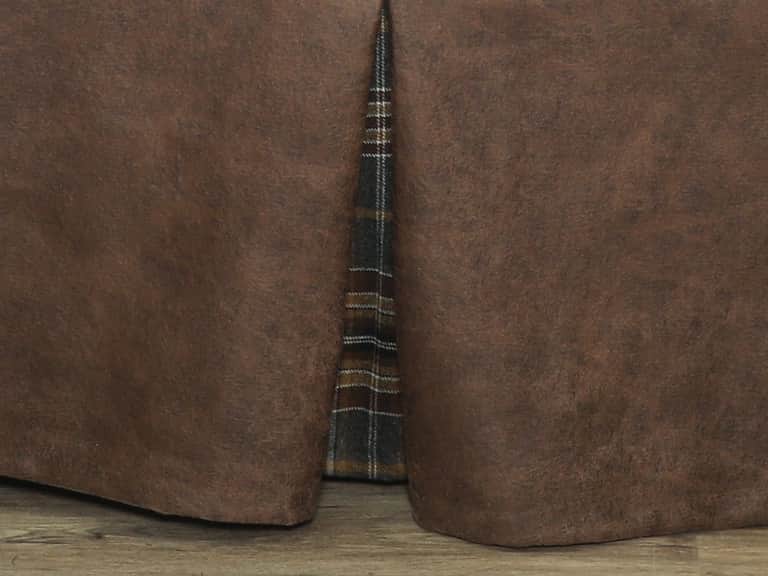
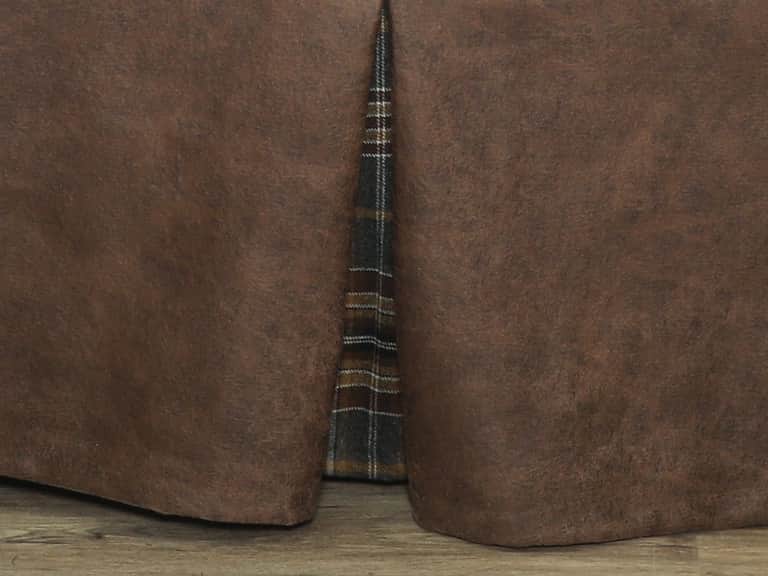
Within the broader tapestry of material culture that Oxford Silk might explore, a product can anchor the article in tangible craft without sacrificing scholarly ambition. Consider the Kinsale Oxford Bed Skirt by Wooded River—a refined lodge-inspired piece that embodies how textile design can translate into everyday luxury while echoing the Oxford-tinged aesthetics of academic taste.
The bed skirt’s warm texture and clean silhouette offer a concrete example of how textile design integrates with interior spaces. It acts as a microcosm of the domain’s potential: a bridge between historical textiles and contemporary, curated interiors. The product description emphasizes versatility and a composed border that harmonizes with varied textures and colors, a reminder that study and design often walk hand in hand.
This is not merely a decorative detail; it is a case study in how quality textile design communicates tone, era, and intention—an undercurrent to the archive’s bigger questions about how societies value craft across time.
To give texture to a domain about textiles and history, consider profiles of three figures from distinct periods who illuminate the human thread behind silk: an ancient innovator, a Renaissance collector, and a modern curator-scientist. Their stories anchor the site’s narrative with concrete voices from different centuries.
1) Anari, the Silk Innovator of Antiquity
In the ancient world, the discovery and mastery of silk processing represented a leap in materials technology. While not a single biographical figure stands in the annals as “Anari,” the archetype captures the early sericulturists whose work—careful reeling, silk-worm cultivation, and loom-based innovations—laid the groundwork for luxury textiles. Their know-how traveled along caravan routes and through monastic workshops, preserving a sense of quiet, patient genius that later centuries would celebrate as scholarly virtue.
2) Giovanni di Giovanni da Medici: Collecting Silk in the Renaissance
The Renaissance saw silk become a symbol of prestige and cosmopolitan power. Figures like merchant-collectors and early patrons mapped networks of trade and importation, while artists and designers translated silk into tapestries, robes, and luxury garments. This figure embodies the blend of commerce, court culture, and scholarly curiosity—an archetype perfectly aligned with the Oxford Silk ethos: a bridge between markets, minds, and museums.
3) Dr. Amina Farouk: A Modern Curator-Scientist
In contemporary museums and universities, curators and textile scientists work together to decode the materials, techniques, and histories embedded in textiles. Dr. Farouk represents a generation that blends archival scholarship with material science—investigating fiber structure, dye chemistry, and conservation methods while telling stories that resonate with today’s audiences. Her work mirrors Oxford Silk’s mission: to render complex pasts legible, engaging, and relevant for a broad public.
A Note on Accessibility, Style, and Sustainability
As a Time-inspired editor would insist, the site should read clearly, think deeply, and offer access to a broad audience. Accessibility must be baked in: high-contrast typography options, semantic HTML, descriptive alt text for any imagery, and keyboard-navigable content. Sustainability-wise, the project should emphasize scholarly integrity, open references where permissible, and framing content for long-term usefulness rather than fleeting trends.
The content plan—long-form essays, timelines, glossaries, and curated galleries—should be designed with reusability in mind. Each article should stand on its own while contributing to a larger mosaic of textile history. By balancing rigorous scholarship with gracefully written narration, the site can achieve the timeless cadence of Time magazine: careful, nuanced, and enduring.
Closing Thoughts: Craft, Context, and the Oxford Silk Promise
Oxford Silk is not merely a name; it is a proposition: to braid together the precision of academic inquiry with the sensory richness of textile craft. The site can become a reference point for readers who want to understand how silk has shaped history, how fashion reflects culture, and how careful archiving preserves knowledge for future generations. It invites readers to touch history with their minds—reading about sericulture and silk routes while appreciating the tactile wonder of well-made textiles.
In a sense, the domain invites a public intellectualism around cloth: to ask questions about how materials travel, how knowledge travels, and how the aesthetic choices of centuries past endure in contemporary design. The Oxford Silk project, in this sense, can become a gentle, authoritative companion to classrooms, libraries, and living rooms—an invitation to learn, to discuss, and to savor the texture of human history.
Note: The featured product image and description above are provided for illustrative purposes to anchor the narrative in tangible craft. Image usage adheres to rights and licensing terms as described in the product entry.